By MyLuso
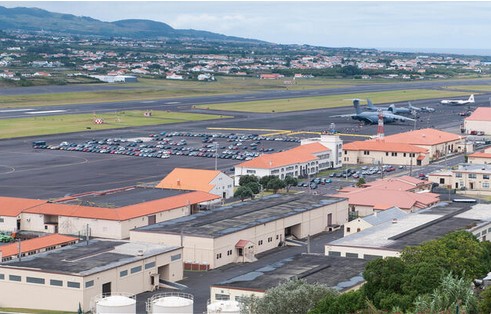
Portugal has once again found itself at the center of geopolitical tensions because of the United States’ continued use of the Lajes Air Base in the Azores. In the weeks leading up to the recent U.S. and Israeli military operation against Iran, known as “Epic Fury,” American fighter aircraft, refueling tankers, and transport planes began arriving at the base, echoing a similar military buildup seen prior to earlier strikes on Iranian targets. Since the operation began, activity at Lajes has remained elevated.
The situation has sparked debate within Portugal about whether the country’s strategic cooperation with Washington could make it a potential target if the conflict widens across the Middle East. The discussion has intensified after neighboring Spain reportedly refused U.S. requests to use its air bases. Analysts have also noted that Portugal’s air-defense capabilities remain limited, with existing systems able to protect specific locations from aircraft and low-flying drones but lacking the capacity to intercept long-range ballistic or hypersonic threats. The government has announced plans to strengthen these defenses, although such upgrades will take time.
Foreign Minister Paulo Rangel has stated that no aircraft involved in the American operation departed from Lajes and emphasized that Portugal has imposed strict conditions on the base’s use. These include limiting its role to defensive or retaliatory actions, ensuring that any response is necessary and proportional, and restricting operations to military targets.
Meanwhile, Economy Minister Manuel Castro Almeida has warned that the conflict could produce economic repercussions, particularly through rising energy prices. While he expressed confidence that Portugal has sufficient reserves to manage short-term disruptions, the government has acknowledged that a prolonged conflict could require adjustments to the national budget.
With tensions still escalating and no clear resolution in sight, Portugal faces the delicate task of balancing its Atlantic alliance commitments with growing domestic concerns about security risks and economic consequences.